Exploring the Acoustic Weightof Hand-Troweled Raw Plaster
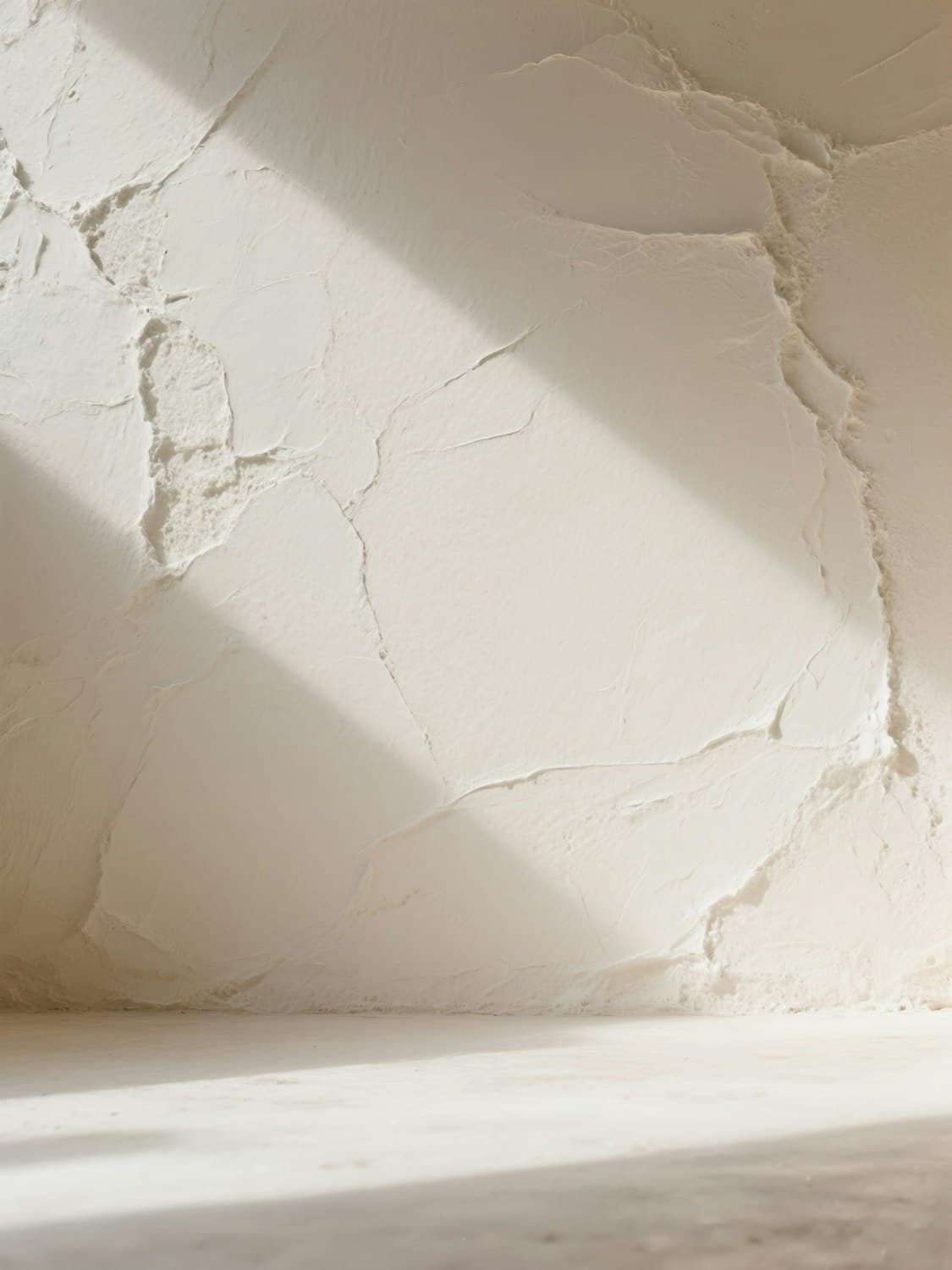
A room rendered in raw lime plaster sounds measurably different from the same room in painted board. Over eight commissions we have been recording that difference, and the results have changed how we specify every vertical surface.
Hearing the Surface
Walk into a lime-plastered room and the first thing that registers is not the colour but the decay of your own footstep. The reverberation is shorter, warmer, and markedly less metallic than the same volume finished in emulsion over plasterboard.
Why Texture Absorbs
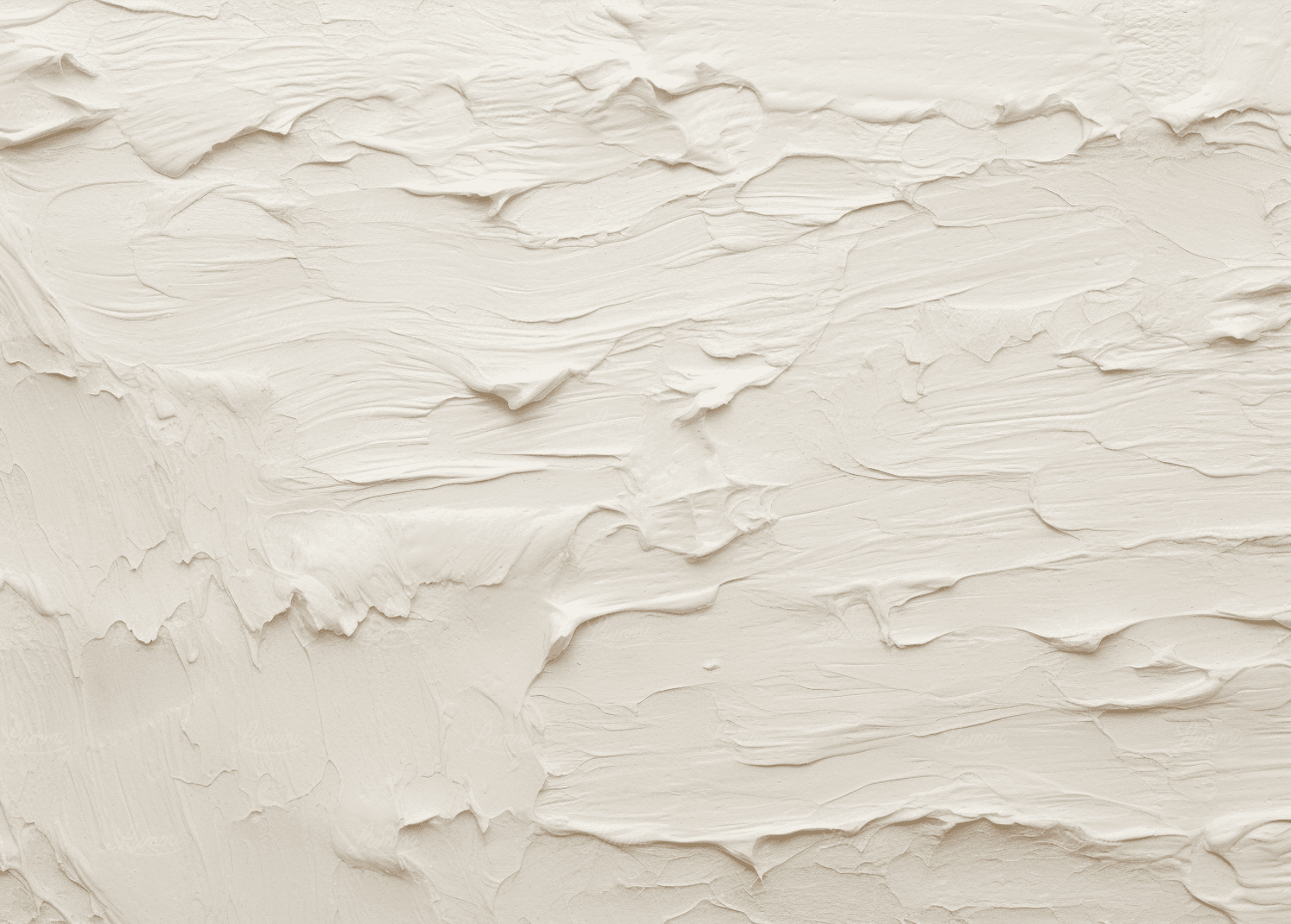
A hand-troweled surface is never flat. The trowel leaves a field of shallow undulations that scatter high frequencies rather than returning them cleanly. The effect is small per square metre and considerable across an entire envelope.
The Measurements We Took
Across eight rooms of comparable volume, we recorded an average reduction of 0.3 seconds in reverberation time at 2 kHz against a painted board baseline. Modest on paper, and unmistakable to anybody standing in the room.
Depth Matters More Than Finish
Thin skim coats produced almost no measurable benefit. The acoustic behaviour only appeared once the plaster exceeded roughly eight millimetres, where the material has enough mass to damp rather than merely to scatter.
The Trowel Hand Is a Variable
Two artisans working the same mix on the same wall produced meaningfully different results. A tighter, flatter finish reflected more; a looser, more open finish absorbed more. We now discuss acoustics with the plasterer, not only with the engineer.
Against the Acoustic Panel
The standard answer to a live room is an applied absorber: a felt panel, a fabric baffle, an object stuck onto a wall to correct it. We would rather the wall never required correcting, which is an architectural position before it is an acoustic one.
Ceilings Are the Unused Surface
Most of our acoustic gain now comes from the ceiling, which in a minimal interior is the single largest uninterrupted plane and almost always the one left flat and reflective. Carrying the plaster overhead changes a room more than any floor covering.
Specifying for Silence
Raw plaster is slower, more expensive, and impossible to touch up invisibly. We continue to specify it because it is the only finish we have found that makes a room quieter without placing a single visible object into it.