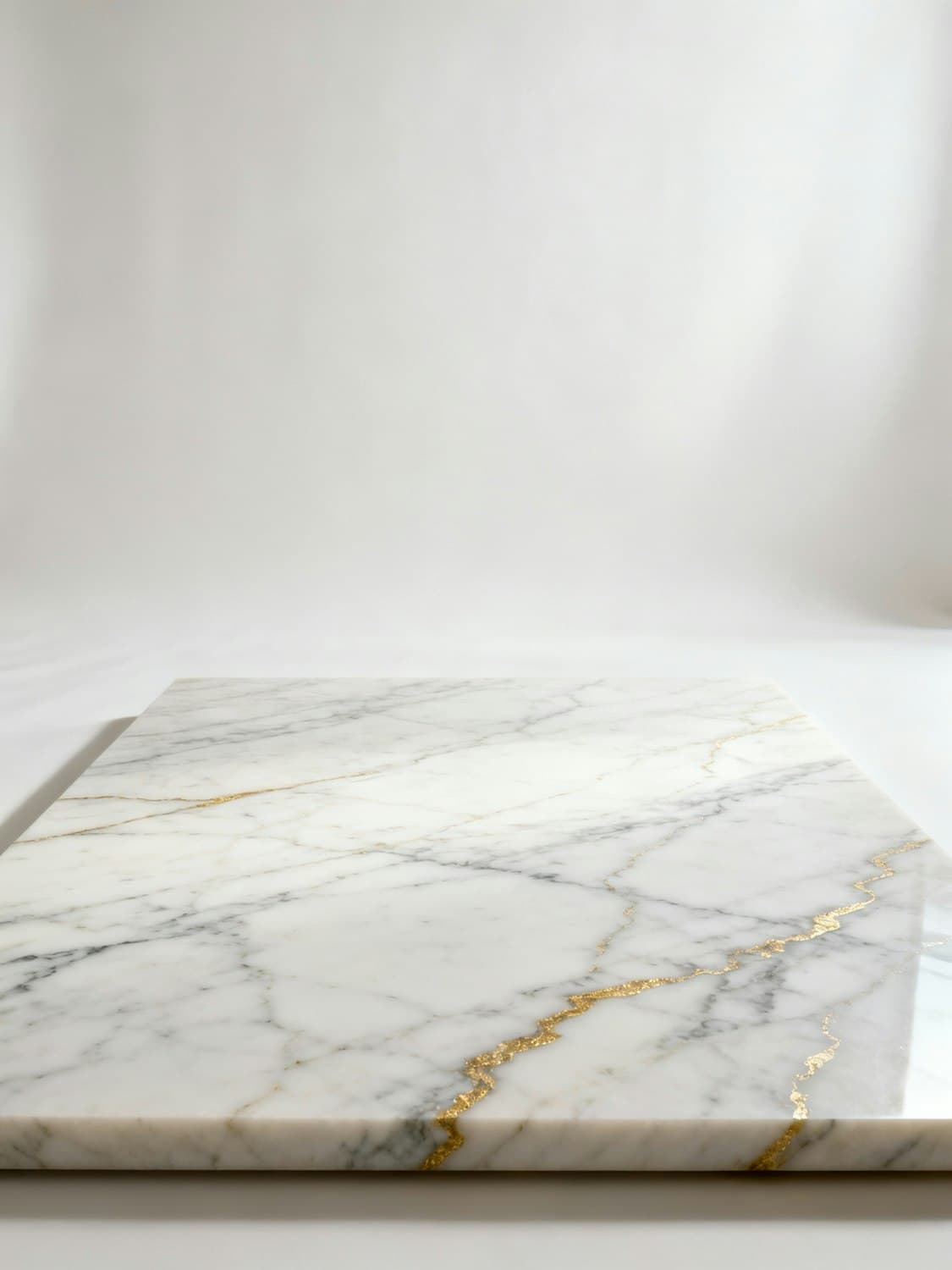
Harnessing Natural Light asa Physical Architectural Boundary
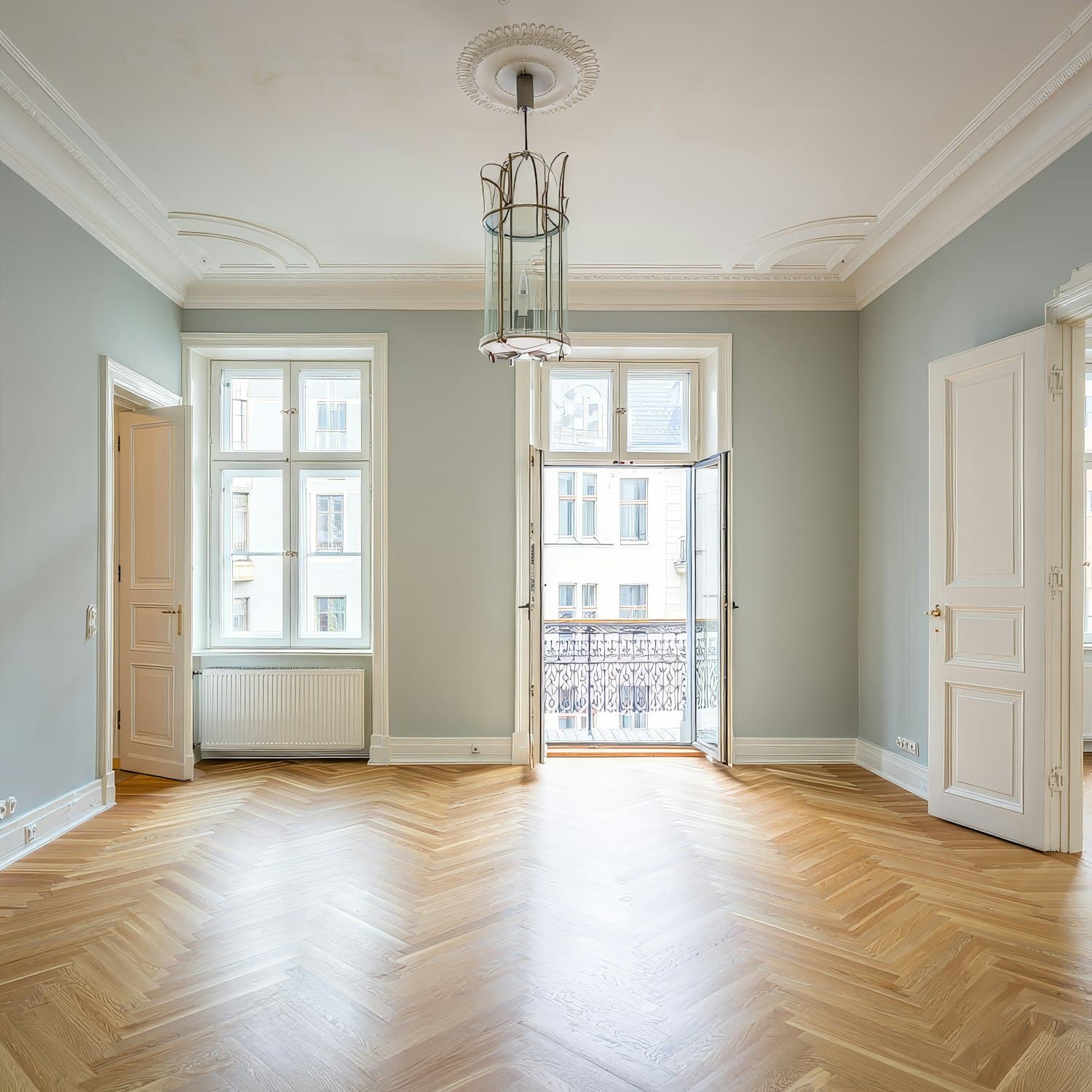
A wall is the crudest way to divide a room. Light, correctly placed, separates two functions as decisively as masonry while leaving the volume entirely intact.
The Threshold Without a Door
Move from a brightly lit aperture into a deeply shadowed alcove and the body slows before the mind registers why. That deceleration is a boundary. It performs the work of a door without introducing a single additional surface.
North Light as a Constant
We orient every workspace we design to northern light because it is the only light that does not change character across a day. A room lit from the north at nine in the morning is the same room at four in the afternoon, and that consistency is itself a form of stillness.
Aperture Before Fixture
Artificial lighting is specified last in our process, and often barely at all. If the daylight strategy is correct, the evening scheme requires very little. If the daylight strategy is wrong, no quantity of fixtures will rescue the room.
The Depth of a Reveal
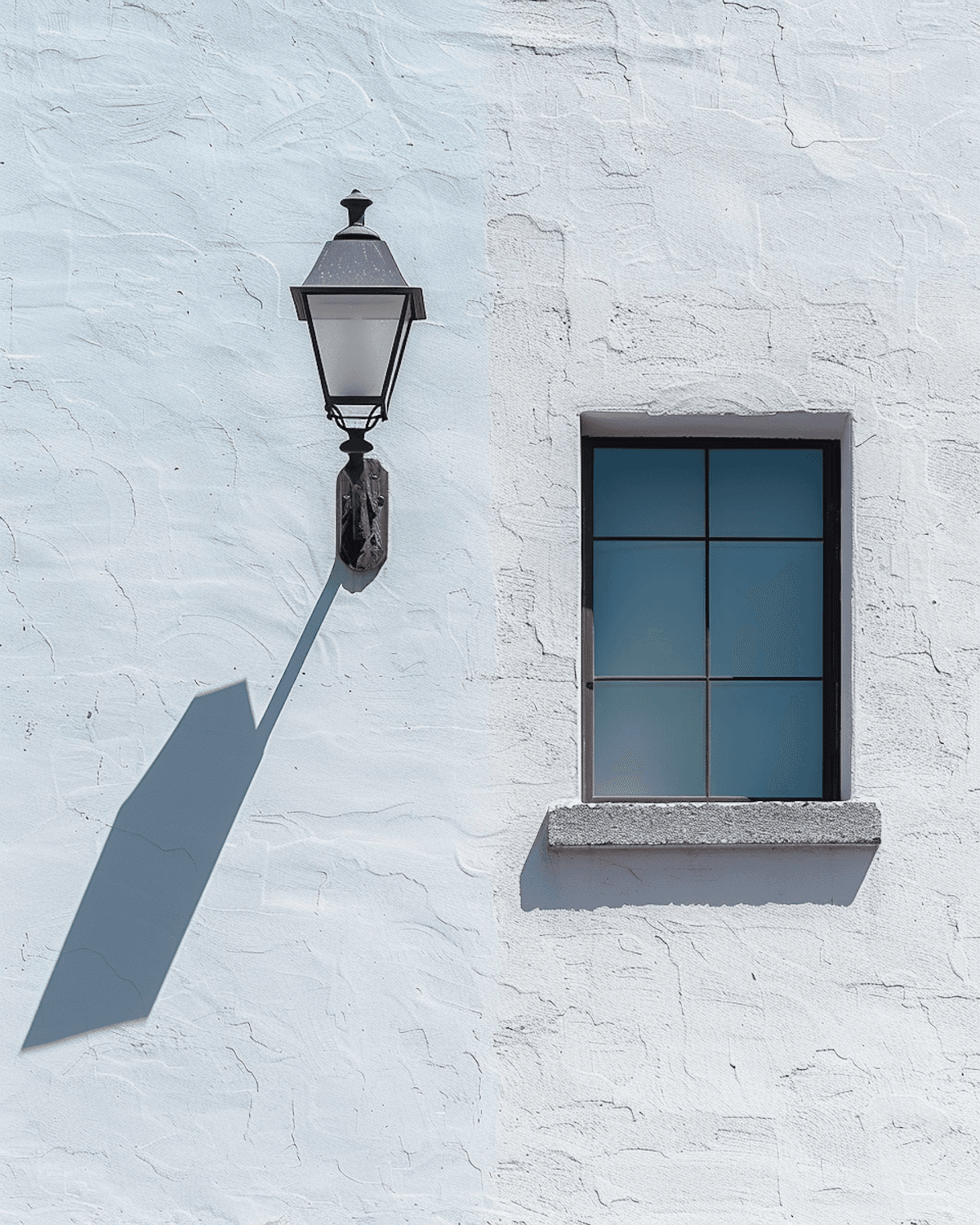
A window set flush into a wall gives a flat, undifferentiated wash. The same window set back four hundred millimetres produces a moving band of shadow that travels the room across the day, turning the aperture into an instrument rather than an opening.
Shadow Requires Mass
You cannot cast a convincing shadow with a thin wall. The depth of light we design for is only available in structures with real mass, which is one reason our envelopes are heavier than contemporary construction would strictly require.
Against Even Illumination
The prevailing standard is uniform lux across a plan. We consider that an error. A room lit evenly has no hierarchy, no destination, and no rest. Inhabitants need somewhere darker to move toward.
Seasonal Architecture
A correctly apertured room is a different room in December than in June. We regard this as a feature to be designed rather than a variance to be suppressed, and we model every primary space at both solstices before committing to an opening.
Light as the Last Material
We specify light exactly as we specify stone or bronze: by weight, by direction, by how it will behave in thirty years as the surrounding trees mature. It is the one material in the palette that is delivered free and wasted most often.