Rejecting the Fallacy of Ornamentin Modern Architectural Design

Ornament is almost always applied to compensate for a proportion that was never resolved. Remove the decoration and the underlying error becomes visible, which is precisely why so few are willing to remove it.
Decoration as Symptom
When a client asks for a feature wall, they are rarely asking for pattern. They are responding to a proportion that feels wrong and reaching for the only remedy available to them. The correct response is to revisit the dimension, not to dress it.
The Cornice Problem
A cornice exists to resolve the meeting of two planes that were never intended to meet cleanly. Detail the junction properly, with a shadow gap and a true line, and the cornice has nothing left to conceal and nothing left to justify it.
What Replaces the Pattern
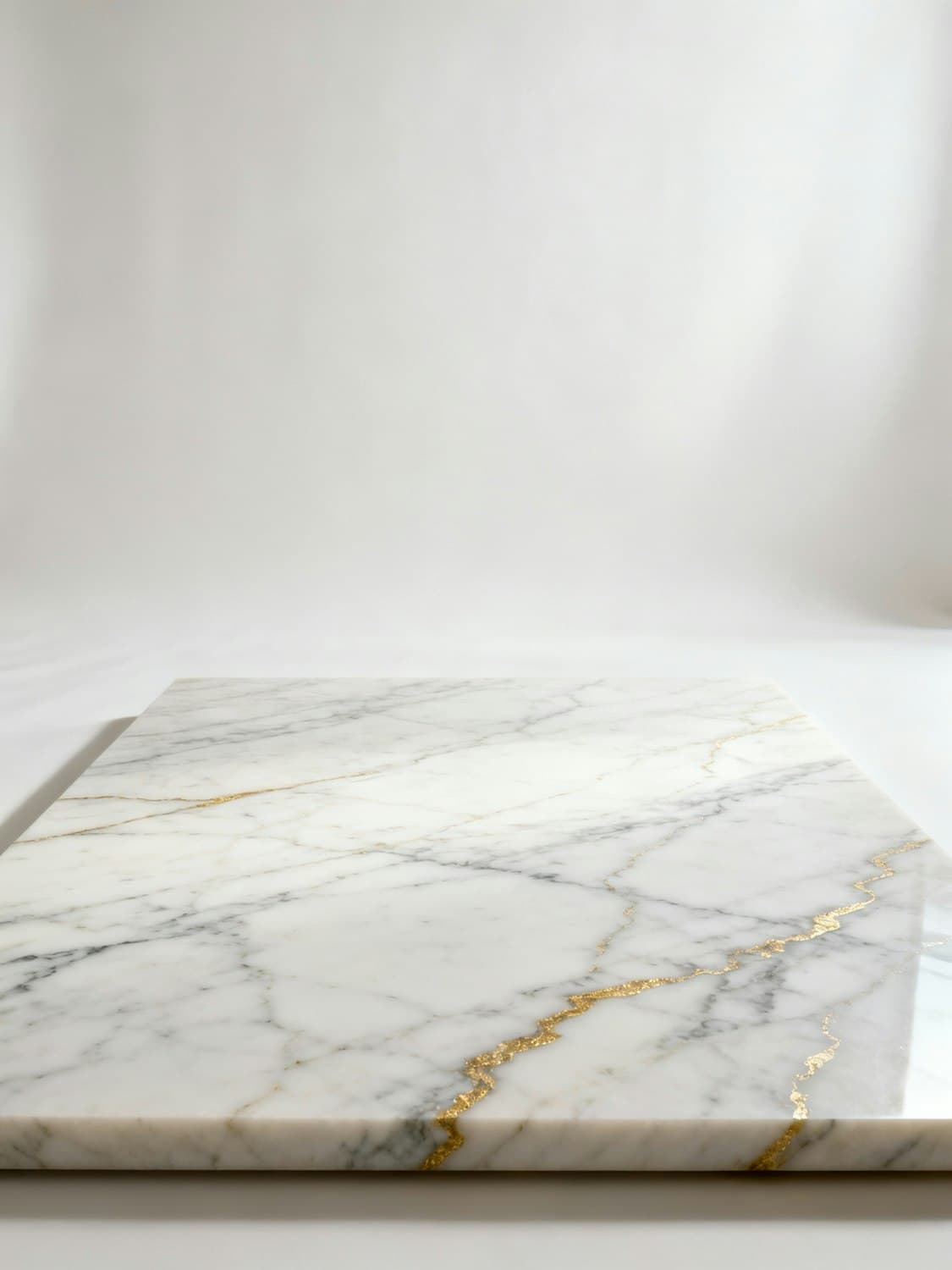
Removing ornament does not leave a room bare. It transfers the visual interest to the things that were always doing the work: the grain of the timber, the vein of the stone, the rhythm of the joints, and the shadow the aperture throws at four o’clock.
Restraint Is Not Poverty
The reduced interior is frequently mistaken for an economy. In practice it is the more expensive position, because every remaining surface is fully exposed and no applied element is available to absorb an error.
The Honest Junction
Our detailing budget is concentrated almost entirely at junctions: where floor meets wall, where wall meets ceiling, where stone meets bronze. These are the moments a visitor cannot articulate but invariably feels, and they are where ornament is traditionally deployed to avoid difficulty.
Against the Accent
An accent presumes the rest of the room is insufficient. We would rather bring every surface to a standard that requires no accent than elevate one plane and concede the remainder. A room with a highlight is a room admitting a shortfall.
The Client Conversation
This is the most difficult conversation in the studio. Ornament is legible and immediate; proportion is neither. Explaining that a room will feel more expensive with less in it requires a client willing to wait until the plaster is finished to be convinced.
What Survives Removal
The test we apply is simple. Strip a room of everything applied and ask whether what remains is worth looking at. If it is not, the architecture failed and no ornament will repair it. If it is, the ornament was never needed.